
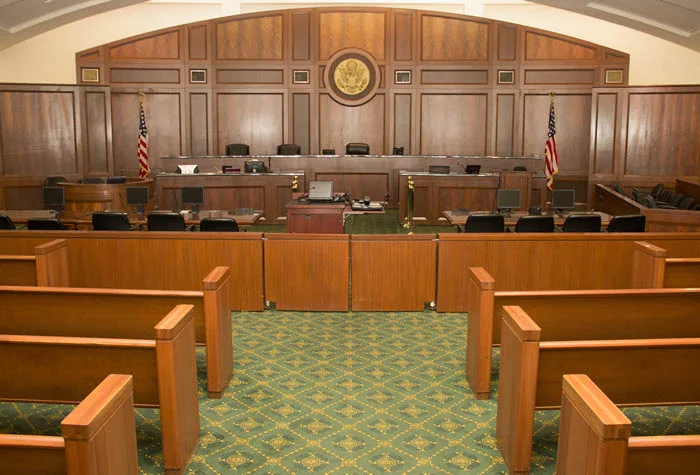

Courtrooms may look formal and ritualistic, but every movement inside them follows carefully structured legal rules. From when a case is filed to when a verdict is delivered, the law acts as a blueprint that governs behavior, timing, and decision-making. These procedures are not about tradition alone—they exist to ensure fairness, consistency, and justice.
Understanding how law shapes courtroom procedures helps explain why trials unfold the way they do and why deviation from procedure can derail even strong cases.
The Legal Foundation of Courtroom Procedures
Courtroom procedures are grounded in constitutional provisions, statutes, procedural rules, and case law. Together, these sources define how courts must operate and how participants are expected to behave.
Key legal foundations include:
-
Constitutional guarantees such as due process and the right to a fair trial
-
Procedural statutes passed by legislatures
-
Court-made rules that standardize practice
-
Judicial precedents interpreting procedural requirements
These sources ensure that similar cases are handled in similar ways, reducing arbitrary decision-making.
Role of Procedural Law in Courtrooms
Procedural law does not determine guilt or liability—that’s the role of substantive law. Instead, it dictates how legal rights are enforced inside the courtroom.
Procedural law governs:
-
Filing of lawsuits and motions
-
Service of legal notices
-
Rules of evidence
-
Order of trial proceedings
-
Methods of appeal
Without procedural law, courts would lack structure, making outcomes unpredictable and unfair.
How Law Shapes the Trial Process
The trial process follows a legally mandated sequence. Each stage exists to protect the rights of all parties involved.
Pre-Trial Procedures
Before a trial begins, the law controls several critical steps:
-
Pleadings that outline claims and defenses
-
Discovery, allowing both sides to exchange evidence
-
Pre-trial motions that may narrow or dismiss issues
-
Scheduling orders that keep the case moving efficiently
These steps prevent surprises and encourage resolution before trial when possible.
Courtroom Conduct and Etiquette
Courtroom behavior is not optional courtesy—it is legally enforced decorum. Laws and court rules dictate:
-
How attorneys address the judge
-
When parties may speak
-
Proper attire and demeanor
-
Prohibited conduct such as interruptions or disrespect
Judges have authority to impose sanctions or contempt penalties for violations.
Presentation of Evidence
Evidence does not enter the courtroom freely. The law strictly regulates:
-
What evidence is admissible
-
How witnesses are questioned
-
Use of expert testimony
-
Objections and rulings during testimony
These rules protect trials from unreliable, misleading, or prejudicial information.
Judicial Authority and Procedural Control
Judges act as guardians of courtroom procedure. Their authority comes directly from the law and includes:
-
Interpreting procedural rules
-
Managing courtroom timelines
-
Ruling on objections and motions
-
Instructing juries on legal standards
While judges have discretion, that discretion is constrained by procedural law to avoid bias or abuse.
Rights Protection Through Court Procedures
Courtroom procedures exist largely to protect individual rights. Legal safeguards ensure:
-
Equal opportunity to present a case
-
Protection against self-incrimination
-
The right to confront witnesses
-
Transparent decision-making
When procedures are violated, higher courts may overturn verdicts, even if the outcome appears substantively correct.
Appellate Review and Procedural Law
Appeals rarely focus on factual disagreements. Instead, they examine whether procedural law was followed correctly.
Common procedural issues on appeal include:
-
Improper admission or exclusion of evidence
-
Jury instruction errors
-
Denial of due process
-
Abuse of judicial discretion
This reinforces the idea that procedure is as important as substance in achieving justice.
Why Procedural Law Matters in Everyday Justice
Procedural law may seem technical, but it directly affects:
-
Case duration and cost
-
Public trust in the legal system
-
Consistency of legal outcomes
-
Protection of minority and unpopular positions
When courtroom procedures are followed correctly, the system works not just efficiently—but legitimately.
Frequently Asked Questions
What is the main purpose of courtroom procedures?
Courtroom procedures exist to ensure fairness, consistency, and due process for all parties involved in a legal dispute.
Can a case be dismissed for procedural errors?
Yes. Serious procedural violations can result in dismissal, mistrial, or reversal on appeal.
Who creates courtroom procedural rules?
Procedural rules are created by legislatures, courts, and constitutional frameworks, depending on the jurisdiction.
Are courtroom procedures the same in every case?
No. Procedures vary based on criminal vs. civil cases, court level, and jurisdiction, though core principles remain consistent.
Why are judges strict about courtroom behavior?
Strict enforcement preserves order, respect, and fairness, and ensures proceedings remain focused on the law.
How does procedural law protect defendants?
It guarantees rights such as notice, legal representation, fair evidence rules, and impartial hearings.
What happens if a judge ignores procedural rules?
Such actions can lead to appeals, reversals, or disciplinary consequences, depending on the severity of the violation.

Comments are closed.